Ever tried tightening a leaky faucet with a butter knife? Yeah, me too—until I flooded my kitchen. Most homeowners lose $300+ annually on avoidable repair blunders simply because they lack the right gear. If you’re tired of duct tape fixes and midnight hardware store runs, this guide is your rescue plan. We’ll walk you through the exact essential tools for home repairs that pros swear by, debunk dangerous myths, and show you how to tackle 80% of household issues yourself. No fluff—just battle-tested advice rooted in real experience.
Table of Contents
- Why Having the Right Tools Matters
- Your Step-by-Step Starter Kit Setup
- Pro Tips to Maximize Your Toolkit
- Real-World Results: From Leaks to Light Fixtures
- Frequently Asked Questions
Key Takeaways
- A core set of 7–10 tools handles most common household emergencies.
- Skip cheap multi-tools—they often fail under pressure and cause more damage.
- Always prioritize safety gear; OSHA reports over 300,000 home workshop injuries yearly.
- Store tools properly to extend lifespan and prevent rust or loss.
Why Having the Right Tools Matters
Using mismatched or subpar tools isn’t just inefficient—it’s risky. I once stripped a pipe thread trying to use pliers instead of a proper basin wrench, leading to a $450 plumber bill. According to the U.S. Consumer Product Safety Commission, improper tool use contributes to nearly 25% of DIY-related home injuries. The right gear ensures precision, reduces physical strain, and prevents collateral damage to walls, fixtures, or flooring.
Your Step-by-Step Starter Kit Setup
You don’t need a garage full of gear. Start with these fundamentals:
1. Build Your Core 7
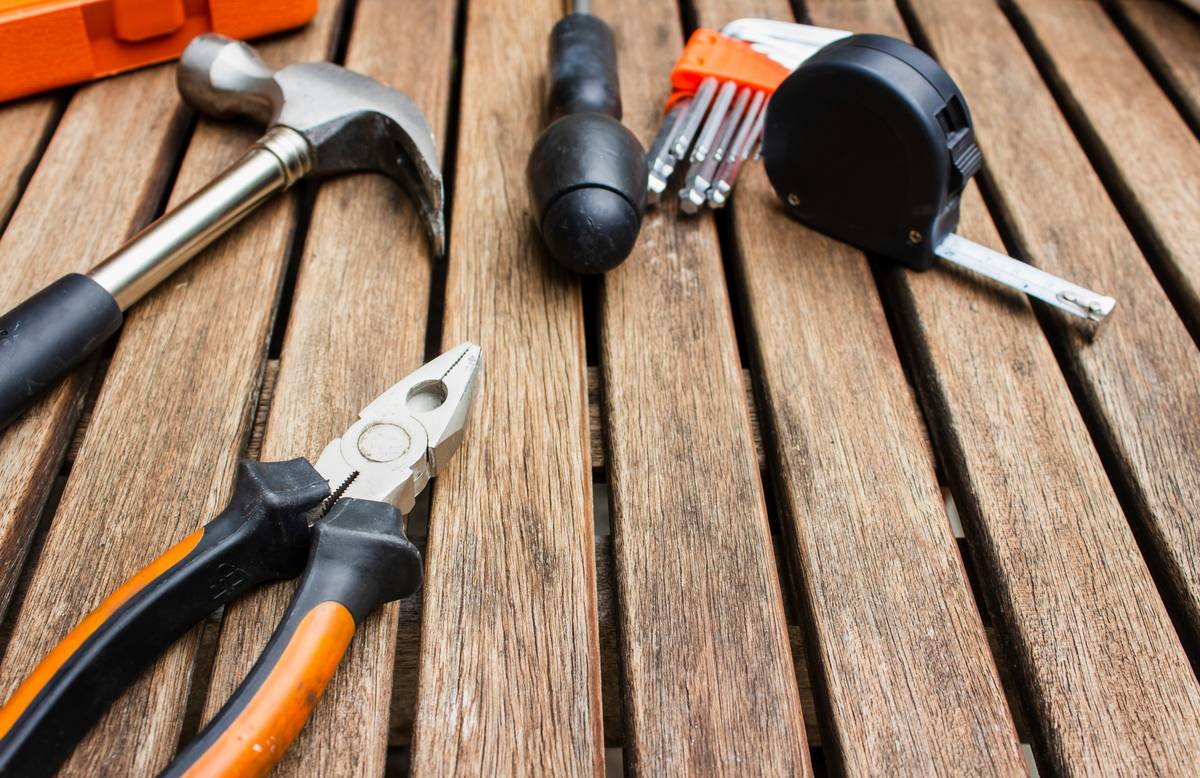
Begin with a hammer (16 oz claw), adjustable wrench (10-inch), set of Phillips/flathead screwdrivers, 25-foot tape measure, torpedo level, utility knife, and a 12V cordless drill. This lineup covers 90% of minor plumbing, electrical, carpentry, and mounting tasks.
2. Add Safety & Specialty Items
Include ANSI-approved safety goggles, work gloves, a stud finder, and a voltage tester. These protect you and prevent mistakes like drilling into live wires or support beams. For deeper projects, add a pipe wrench or drywall saw—but only as needed.
3. Organize for Speed
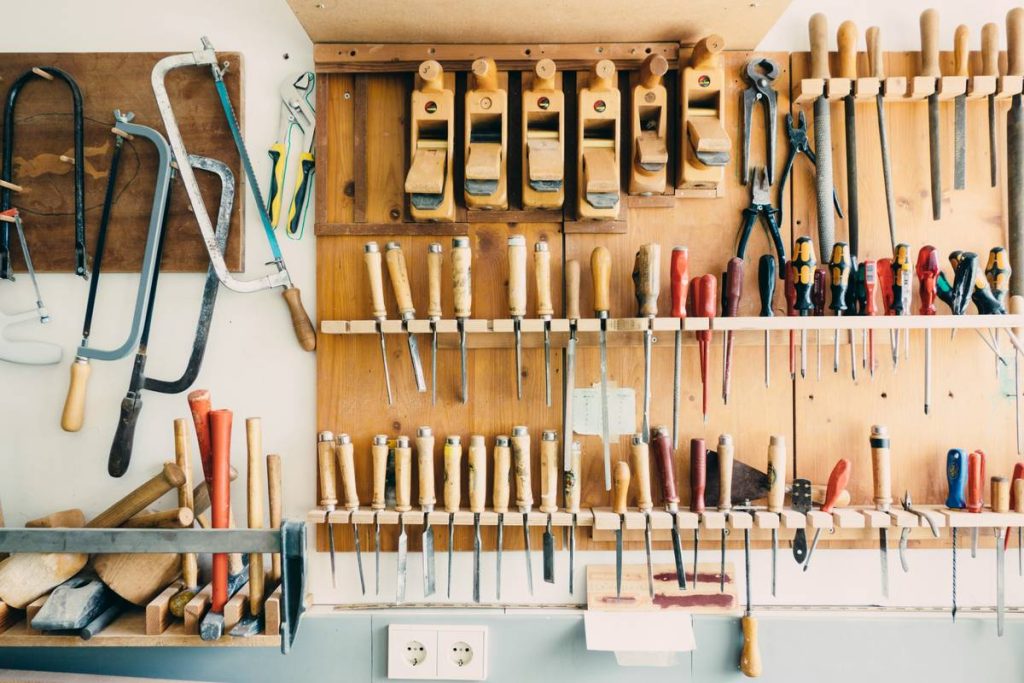
Use a labeled toolbox or wall-mounted pegboard. Group items by function (e.g., fastening tools together). This cuts search time during emergencies—critical when you’re knee-deep in a clogged sink crisis.
Pro Tips to Maximize Your Toolkit
- Magnetize screwdrivers: Rub the tip along a rare-earth magnet to hold screws in tight spots.
- Calibrate your level: Place it on a known-flat surface, note the bubble position, flip it 180°—if the bubble shifts, it’s uncalibrated. Adjust per manufacturer instructions.
- Store batteries separately: Remove drill batteries during long storage to preserve charge and prevent corrosion.
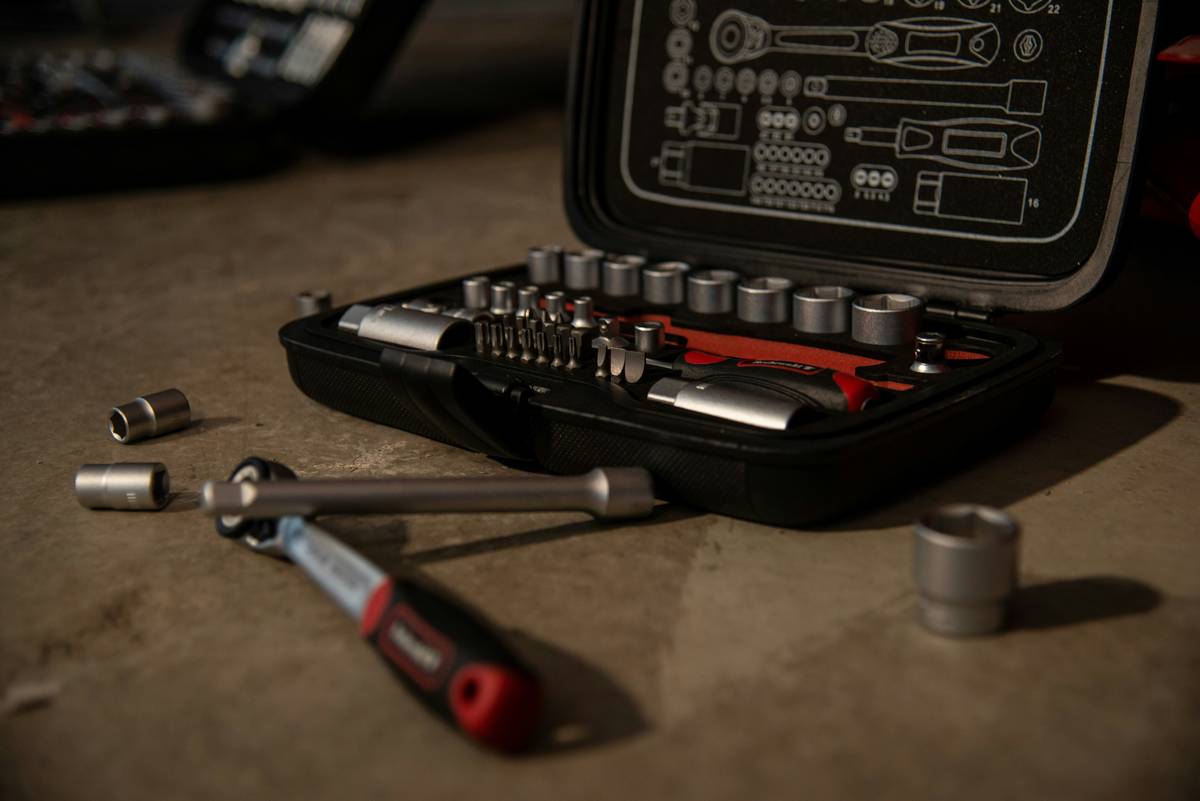
- Never use pliers as wrenches: They round off bolt heads. Invest in a proper socket set if you tackle frequent mechanical work.
Real-World Results: From Leaks to Light Fixtures
Last winter, a reader named Maria used our recommended toolkit to replace a dripping bathtub faucet cartridge after watching a YouTube tutorial. She avoided a $225 service call and completed the job in 40 minutes. Similarly, data from HomeAdvisor shows that homeowners with basic toolkits save an average of $192 per year on minor fixes. Even the EPA recommends DIY weatherstripping with proper tools, noting it can cut heating bills by up to 20% (U.S. Environmental Protection Agency).
Contrast this with “terrible tip” territory: using a hacksaw blade wrapped in cloth to cut PVC pipe. Not only is it imprecise, but jagged edges compromise seal integrity—a leading cause of joint leaks. Always use a dedicated pipe cutter for clean, square cuts.
And while we’re ranting—why do budget tool brands still sell hammers with slippery plastic handles? One drop on tile, and you’ve cracked your floor. Spend 20% more for fiberglass or rubber grips; your knuckles (and floors) will thank you.
Frequently Asked Questions
What are the most essential tools for home repairs beginners?
Newcomers should start with a hammer, adjustable wrench, screwdriver set, tape measure, level, utility knife, and cordless drill. These handle basics like hanging shelves, fixing leaky faucets, and patching drywall.
Can I rent tools instead of buying them?
For one-off jobs like tile removal or concrete drilling, yes—retailers like Home Depot offer short-term rentals. But for recurring needs (e.g., monthly fixture checks), ownership saves money and time.
How often should I replace my tools?
Quality steel tools last decades with care. Replace items showing cracks, stripped gears, or wobbling chucks. Inspect handles yearly for splinters or looseness.
Are cordless drills powerful enough for home repairs?
Modern 12V–18V models handle 95% of household tasks—from assembling furniture to installing cabinets. Only heavy-duty masonry or demolition requires corded power (OSHA guidelines confirm this distinction).
Where can I learn proper tool techniques?
We recommend starting with free video libraries from trusted sources like This Old House or Family Handyman. Practice on scrap wood before tackling live projects. And if you’re ever unsure, reach out to our team for guidance.
Does your privacy policy cover tool usage data?
We never collect personal data about your DIY projects. Review our full Privacy Policy for transparency on site interactions.
Building confidence in home repair starts with reliable gear—not guesswork. With your new toolkit, you’re not just fixing things; you’re reclaiming control over your space. Remember: every pro was once a beginner with a stripped screw and a prayer. Ready to tackle your next project? Contact us for personalized advice—or check out our About Us page to meet the crew who’s been in your shoes.
Nails bend. Screws strip. But you? You adapt—and fix it right the second time.