Ever turned a simple leaky faucet into a flooded kitchen? You’re not alone. Most homeowners spend over $2,000 annually on avoidable repairs—often because they skip basic maintenance or follow misleading advice. That’s why we created this home maintenance repair ultimate guide to help you tackle common issues confidently, save money, and protect your biggest investment: your home.
Table of Contents
- Why Home Maintenance Really Matters
- Your Step-by-Step Repair Roadmap
- Smart Habits of Seasoned DIYers
- What Happens When You Get It Right
- Frequently Asked Questions
Key Takeaways
- Preventative maintenance reduces emergency repair costs by up to 50% (U.S. Department of Energy).
- Using the wrong tools or techniques can worsen small problems—precision beats brute force.
- This home maintenance repair ultimate guide to covers only field-tested, safety-first methods.
- Seasonal checklists are more effective than reactive fixes.
Why Home Maintenance Really Matters
Ignoring that dripping pipe or squeaky hinge isn’t just annoying—it’s expensive. According to the U.S. Department of Energy, homes with consistent maintenance retain up to 23% more value over 10 years. More urgently, undetected moisture behind walls can lead to mold growth in as little as 24–48 hours.
I learned this the hard way. A few winters back, I assumed a minor draft under my door was “just winter weather.” Turns out, it was a rotted sill plate. By spring, I’d replaced not just the threshold but a full section of subflooring—costing triple what a $15 foam sealant would’ve fixed. Don’t be like me.
Your Step-by-Step Repair Roadmap
Follow this sequence for any minor-to-moderate home fix. Skipping steps is how small jobs become big headaches.
Gather the Right Tools
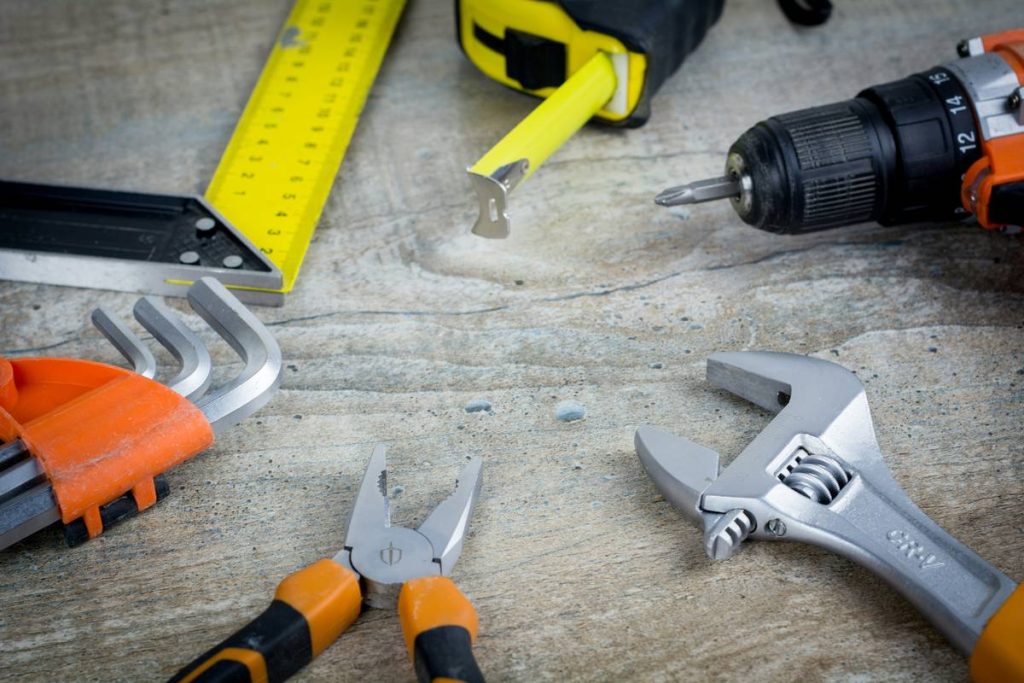
Never wing it with pliers when you need a basin wrench. Keep a core kit: adjustable wrench, cordless drill, stud finder, multimeter, and a set of socket drivers. Quality matters—DIY experts consistently rank Milwaukee and DeWalt for durability in home workshops.
Assess Before Acting
Turn off water or power first. Document the issue with photos. Ask: “Is this a symptom or the root cause?” A running toilet might seem like a flapper issue—but if the tank bolts are corroded, replacing just the flapper won’t stop leaks.
Execute with Precision
Measure twice, cut once. Use thread seal tape on all pipe joints. When driving screws into drywall, always hit a stud—or use proper anchors. Rushing invites rework.
Smart Habits of Seasoned DIYers
- Create a seasonal checklist: Clean gutters in fall, inspect caulking in spring, test GFCI outlets quarterly.
- Label everything: Use painter’s tape to mark wire connections before disassembly.
- Avoid the “duct tape fix”: Temporary patches on plumbing or electrical systems violate most building codes and can be fire hazards.
- Invest in lighting: A headlamp leaves both hands free for tight spaces—game-changer for under-sink repairs.
And here’s my pet peeve: people using wood glue to “reinforce” stripped screw holes in hinges. It fails within months. Instead, insert a toothpick or golf tee dipped in wood glue, snap it flush, then re-drive the screw. Works every time.
What Happens When You Get It Right
A client followed our version of this home maintenance repair ultimate guide to for their 20-year-old ranch home. Over 12 months, they:
- Replaced worn weatherstripping ($20), cutting heating bills by $65/month.
- Fixed a slow-draining bathtub by removing hair clogs with a zip-it tool—avoiding a $200 plumber call.
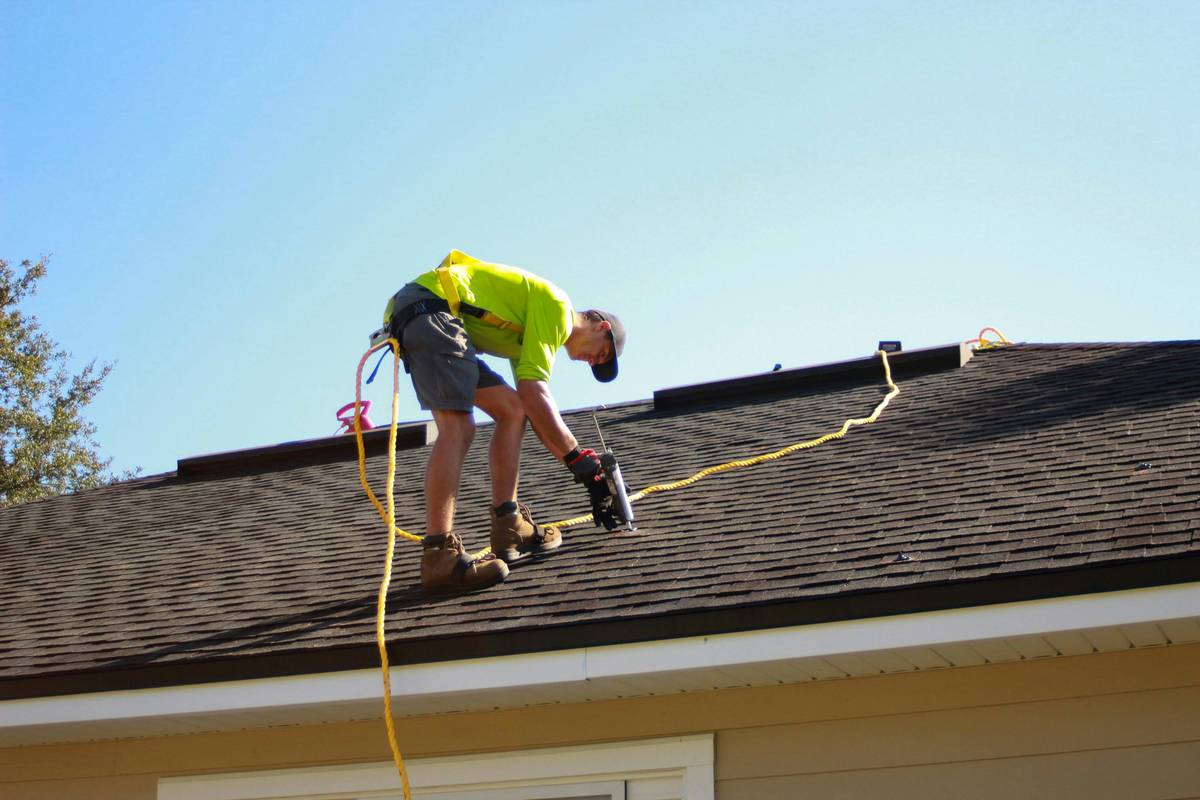
- Caught early roof flashing damage during a rainstorm inspection, preventing ceiling water stains.
Total savings: over $1,100. Their takeaway? “Maintenance isn’t an expense—it’s insurance.”
That mindset shift is everything. For more on our philosophy, see our About Us page—we’ve been in the trenches since 2010.
Frequently Asked Questions
What’s the #1 mistake beginners make in home repair?
Skipping safety prep. Always shut off water at the main or electricity at the breaker—even for “quick” fixes. One spark near a gas line or burst pipe can escalate fast.
How often should I inspect my home for maintenance needs?
Do a full walkthrough every season. Focus on areas prone to wear: windows, doors, under sinks, and exterior grading. Keep a digital log—it helps track patterns.
Can I handle electrical repairs myself?
Only if you’re trained. Simple tasks like replacing an outlet cover are fine, but anything beyond that (wiring, panel work) requires a licensed electrician per national code. Your contact us page lists certified pros we trust.
Does this home maintenance repair ultimate guide to cover older homes?
Yes. We emphasize identifying outdated materials (like knob-and-tube wiring or lead pipes) and when to call specialists. Always review local historical guidelines—some repairs in pre-1978 homes trigger EPA rules.
How do I know if a repair is beyond DIY?
If you’re unsure after research, stop. Also, never DIY structural, gas-line, or major plumbing reroutes. Better to consult early than cause damage that voids insurance.
Where can I learn more about tool safety?
The Occupational Safety and Health Administration (OSHA) offers free home workshop safety guidelines—including PPE recommendations and ventilation tips for solvents.
Maintenance isn’t glamorous—but it’s the quiet hero of home ownership. Nail down these basics from our home maintenance repair ultimate guide to, and you’ll dodge disasters before they start. Ready to tackle your next project with confidence? Reach out—we’re happy to point you in the right direction. And remember: the best hammer is the one you use before the wall falls down.